
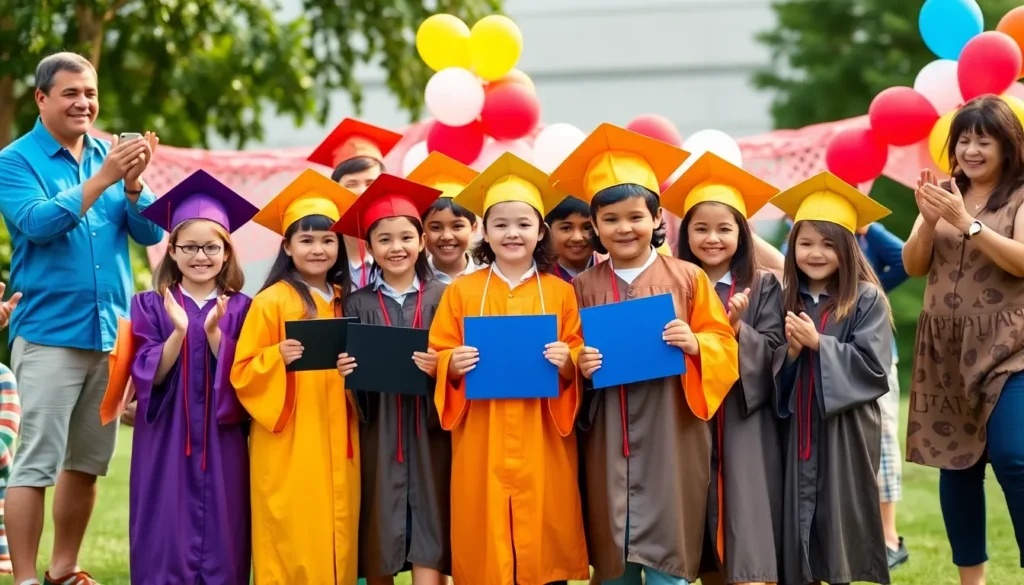
Kindergarten graduation marks a significant milestone in a child’s educational journey. It’s a moment filled with joy and pride as young learners transition from the playful world of preschool to the more structured environment of elementary school. This ceremony not only celebrates their achievements but also acknowledges the growth and development they’ve experienced over the past year.
For parents and educators, kindergarten graduation is a time to reflect on the skills acquired and the friendships formed. It’s a chance to recognize the hard work of teachers and the support of families. As children don their caps and gowns, excitement fills the air, symbolizing new beginnings and the adventures that lie ahead. This special event paves the way for lifelong learning and sets the stage for future academic success.
Understanding Kindergarten Graduation
Kindergarten graduation marks a significant milestone in a child’s educational journey. This ceremony celebrates their achievements as they transition from preschool to elementary school.
Importance of Graduation Ceremony
Graduation ceremonies foster a sense of accomplishment for children and create lasting memories. Families gather to honor the children’s hard work, building stronger community ties. The event also highlights the growth of social skills and academic readiness, providing recognition for teachers’ efforts in preparing students. Moreover, the ceremony establishes a foundation for future educational milestones, reinforcing the importance of education.
What to Expect at the Ceremony
Ceremonies typically feature several key elements, including:
- Processional: Children often walk in wearing caps and gowns, showcasing their excitement.
- Speeches: Educators and sometimes a guest speaker share words of encouragement to inspire young graduates.
- Recognition: Each child receives a diploma or certificate, symbolizing their achievements.
- Performances: Students may perform songs or recite poems, showcasing their skills and boosting confidence.
- Celebration: Families partake in festivities, capturing moments with photographs and celebrating their children’s success with cake or refreshments.
These components create an engaging atmosphere, ensuring that each child feels valued and celebrated.
Planning for Kindergarten Graduation
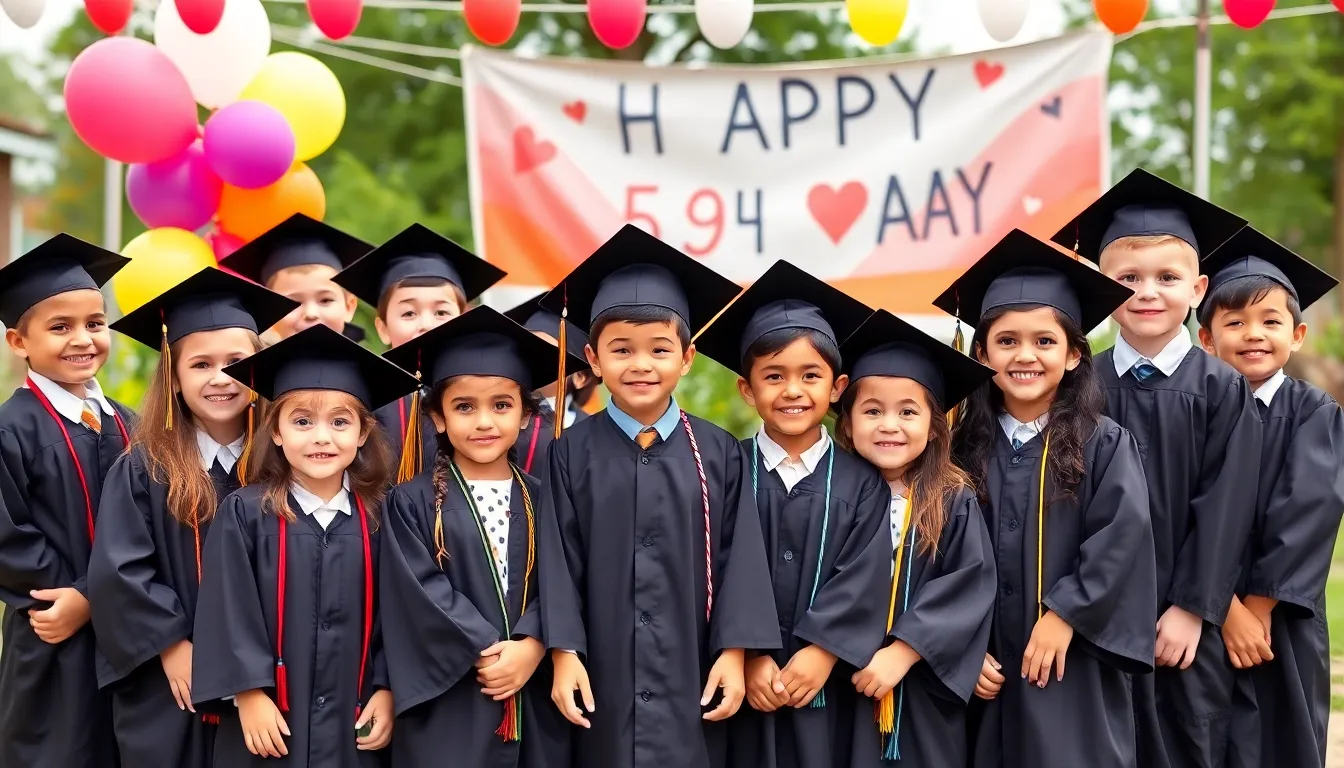
Planning for kindergarten graduation requires attention to detail and thoughtful organization to ensure a memorable event for children and families.
Choosing a Theme
Choosing a theme enhances the graduation ceremony’s creativity and excitement. Popular themes include “The Future is Bright,” “Under the Sea,” and “Superheroes.” Selecting a theme can inspire decorations, programs, and even the attire for graduates. It’s beneficial to involve children in the theme selection process, fostering their enthusiasm and investment in the celebration.
Invitations and Guest List
Creating invitations and a guest list is essential for a successful ceremony. Invitations should reflect the chosen theme and detail the ceremony’s date, time, and location. Consider sending digital invitations for convenience and efficiency. The guest list typically includes immediate family, relatives, and close friends, ensuring that children celebrate their accomplishments with supportive loved ones. Parents can also communicate with educators regarding any special guests, such as teachers or community members, who might want to attend.
Celebrating Kindergarten Graduation
Celebrating kindergarten graduation involves creative ideas that enhance the experience for children and families. These celebrations create lasting memories while recognizing achievements.
Fun and Creative Ideas for Celebrations
- Theme Parties: Organize a themed party, such as “Under the Sea” or “Outer Space,” which involves themed decorations, costumes, and activities that engage children and make the event exciting.
- Photo Booths: Set up a photo booth with props like caps, diplomas, and playful signs, allowing children and families to capture fun moments during the celebration.
- Memory Walls: Create a memory wall where families can display photos and notes celebrating their child’s journey through kindergarten, fostering a nostalgic atmosphere.
- Art Stations: Incorporate art stations where children can engage in crafts related to graduation, like decorating graduation caps or creating personalized diplomas.
- Outdoor Activities: Plan outdoor games or activities that promote teamwork, such as relay races or scavenger hunts, adding an element of fun to the festivities.
Gifts and Keepsakes for Graduates
- Personalized Diplomas: Provide each child with a personalized diploma featuring their name and a special message, serving as a meaningful keepsake that highlights their accomplishment.
- Memory Books: Create memory books that include photos, drawings, and notes from teachers and classmates, allowing children to look back on their kindergarten experiences.
- Graduation Caps: Give children the opportunity to decorate their graduation caps, promoting creativity while creating a cherished item they can keep.
- Toys and Games: Select educational toys or games that align with their interests, supporting ongoing learning while celebrating their transition to the next educational stage.
- Customized Gifts: Consider customized gifts, such as blankets or storybooks with the child’s name, adding a personal touch that makes the gifts memorable.
The Role of Parents in Graduation
Parents play a vital role in making kindergarten graduation a memorable experience. Their involvement enhances the celebration and supports their child’s emotional well-being during this significant transition.
Supporting Your Child’s Transition
Parents can ease their child’s transition from preschool to elementary school by providing emotional support. They can discuss the importance of graduation and what to expect in first grade, helping their child understand this change.
Parents can encourage their child’s participation in graduation preparations. They can involve their child in selecting outfits or decorations, promoting a sense of ownership and excitement. Encouragement during this time fosters confidence, making the child feel valued.
Open discussions about feelings related to graduation can also be beneficial. When children express their emotions, whether it’s anxiety or joy, parents can help them process these feelings, reinforcing a positive outlook on their journey ahead.
Tips for Photogenic Moments
Capturing memories during kindergarten graduation is crucial for families. Parents can scout the venue beforehand, identifying ideal spots with good lighting for photos. Familiarity with the location helps parents choose picturesque backdrops that showcase their child’s achievements.
Sticking to a schedule can ensure that families capture key moments, from the processional to the diploma presentation. Parents should plan for photo opportunities immediately before and after the ceremony, maximizing chances for perfect snapshots.
Encouraging poses can also enhance photography. Parents can suggest natural, candid moments, such as hugging friends or holding diplomas. This spontaneity often results in authentic photos that families treasure for years.
Kindergarten graduation marks a significant milestone in a child’s life. It’s a celebration of growth achievements and the start of a new educational journey. The ceremony not only honors the hard work of young learners but also strengthens community bonds and family connections.
As children don their caps and gowns they step into a world of possibilities. This special event creates cherished memories that families will hold dear for years to come. By involving parents and educators in the planning process the celebration becomes even more meaningful.
Ultimately kindergarten graduation lays the groundwork for future success and instills a sense of pride in children as they embark on their next adventure in learning.