
Table of Contents
ToggleGraduation day—it’s the ultimate rite of passage where caps fly higher than hopes and dreams. Today’s graduates are stepping into a world that’s both thrilling and terrifying, armed with degrees and a healthy dose of caffeine. Whether it’s a high school diploma or a master’s degree, these ceremonies are more than just an excuse for awkward family photos; they signify a leap into the unknown.
Overview Of Graduations Today
Graduations today symbolize significant achievements across various educational levels. High school ceremonies often gather families to celebrate students transitioning into adulthood. College graduations, however, mark the culmination of years of rigorous study. They reflect not just personal accomplishment but also the investment made by families and communities.
Technology has transformed how graduations are conducted. Virtual ceremonies have become more common due to the COVID-19 pandemic. Some universities still hold in-person events, while others use hybrid formats to accommodate guests. These changes impact the way graduates connect and celebrate their milestones.
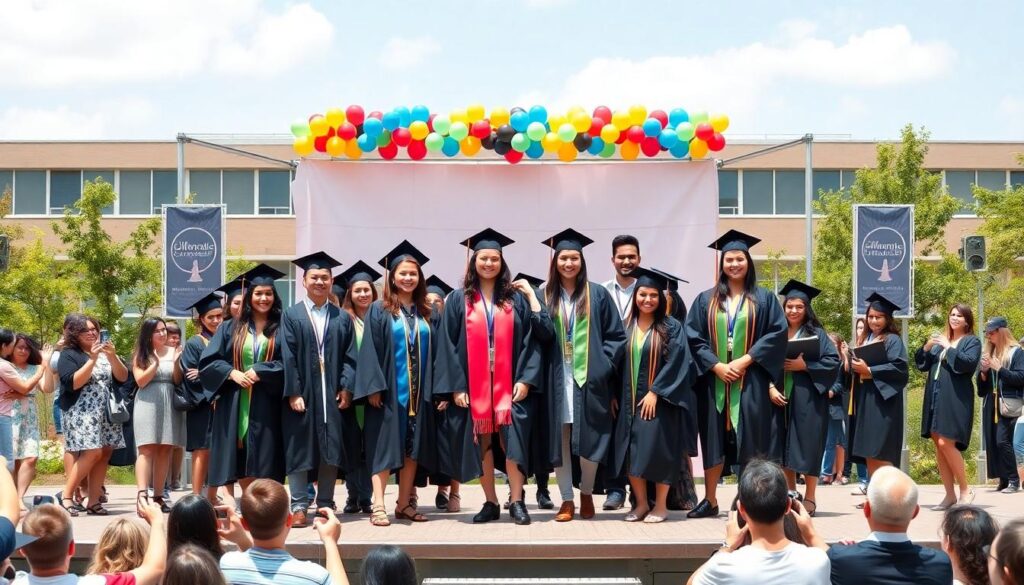
In addition to traditional cap-and-gown attire, graduates today often express individuality through unique fashion choices. Custom stoles or decorated mortarboards showcase personal stories and cultural backgrounds. This trend reflects a growing emphasis on diversity and inclusion within academic environments.
The emotional resonance of graduation ceremonies remains powerful. Speeches from valedictorians, faculty, and distinguished guests often inspire graduates as they forge their paths ahead. Each ceremony encapsulates a blend of joy and reflection, prompting graduates to consider their futures.
Statistics reveal the increasing number of graduates each year. According to the National Center for Education Statistics, over 3.7 million students completed their high school diplomas in 2021. Moreover, nearly 2 million students earned bachelor’s degrees, signifying a robust educational landscape.
Graduations today mark a culmination of hard work for students and educators alike. Celebrating these achievements unites families, communities, and institutions in recognition of the effort invested in education. The blend of tradition and modernity characterizes these memorable events.
Trends In Graduation Ceremonies
Graduation ceremonies today reflect evolving practices and preferences. Changes include virtual graduations and innovative in-person celebrations.
Virtual Graduations
Virtual graduations have gained traction due to recent global events. These ceremonies utilize platforms like Zoom or Microsoft Teams to connect graduates and their families. Schools distribute digital diplomas and host live streams to share the experience in real-time. This format provides accessibility for those unable to attend in person, ensuring broad participation. Engaging video production adds to the experience, featuring speeches, performances, and pre-recorded segments. These online events demonstrate how technology transforms traditional processes by integrating personalization and interaction.
In-Person Celebrations
In-person celebrations continue to hold significant value for graduates and their families. These ceremonies often take place in large venues like stadiums or auditoriums, accommodating families and friends. Graduates don traditional caps and gowns, showcasing their achievements collectively. Local communities frequently participate, providing support through ceremonies filled with speeches and performances. Enhancements such as live music or themed decorations create memorable atmospheres. Customizable elements, like personalized stoles and mortarboards, also allow graduates to express their individuality on this momentous day. As social gathering restrictions lessen, these events combine tradition with renewed enthusiasm.
The Importance Of Graduations Today
Graduation ceremonies today serve as crucial milestones in educational journeys, signifying both achievement and potential. These celebrations embody the hard work of students, emphasizing dedication and perseverance.
Acknowledging Achievements
Graduation ceremonies provide a platform to acknowledge the countless hours spent studying and the challenges overcome. Recognition occurs not only for the graduates but also for the support networks behind them, including families and mentors. Events often feature awards, showcasing excellence in academics, leadership, and community service. Statistics reveal over 3.7 million high school diplomas awarded in 2021, reflecting the collective effort of students and educators. The moment that graduates walk across the stage represents the culmination of years of commitment, inspiring future generations to pursue their own educational paths with determination.
Building Community Spirit
Graduation events foster community spirit by uniting families, friends, and local organizations. These ceremonies highlight collective pride and engagement, showcasing community support for education. Local businesses frequently participate, offering sponsorship and resources that enhance the experience. Participating in such moments strengthens connections among residents and inspires a shared sense of accomplishment. The excitement surrounding these gatherings reinforces the importance of education as a community value, encouraging ongoing investment in future students’ success. Through attendance and support, the entire community contributes to the celebration, amplifying the impact of the graduates’ achievements.
Challenges Faced By Graduations Today
Graduation ceremonies today encounter various challenges impacting participants and organizers alike.
Safety Concerns
Safety concerns have intensified, particularly in light of recent health developments. Graduates and attendees often face restrictions on crowd sizes and sanitation protocols. Events must adapt to evolving guidelines while ensuring enjoyable experiences. Many institutions now implement health screenings and social distancing measures, prioritizing the well-being of everyone involved. With large gatherings, the potential for emergencies increases. Close coordination with local authorities becomes essential for effective crowd management and emergency response planning.
Inclusivity Issues
Inclusivity issues frequently arise, affecting participation and experience for various individuals. Graduates come from diverse backgrounds, and ceremonies must reflect this diversity. Some institutions struggle to offer accommodations, hindering access for individuals with disabilities. Sign language interpreters and resources in multiple languages can enhance accessibility. Acknowledging various cultural practices in the ceremonies supports representation and fosters a sense of belonging. Schools and universities are urged to engage communities, gather input, and adapt ceremonies to celebrate the unique experiences of all graduates, ensuring everyone feels valued and included.
Graduation ceremonies today are more than just formal events; they’re milestones that celebrate hard work and perseverance. As graduates step into their futures they carry not only their degrees but also the support of their families and communities. The blend of tradition and modernity in these celebrations reflects the evolving educational landscape.
With the rise of virtual and hybrid formats inclusivity has taken center stage, ensuring that every graduate feels recognized. As communities come together to honor these achievements they reinforce the value of education and the shared journey of growth. Each graduation signifies hope and potential, inspiring the next generation to pursue their dreams with confidence.