
When it comes to home improvements, it’s easy to get lost in a sea of DIY shows and Pinterest boards. Everyone’s got a project they swear will turn their house into a palace. But let’s face it, not all upgrades are created equal. Some will have you feeling like a savvy investor while others might leave you feeling like you just flushed cash down the toilet.
Understanding Home Improvements
Home improvements play a crucial role in increasing property value. Some upgrades yield significant returns, while others add minimal or no value. Research indicates that kitchen remodels often offer one of the highest returns, with minor upgrades recouping approximately 80% of initial costs.
Popular projects include bathroom renovations, which can recoup around 60% to 70% of costs. Adding energy-efficient windows typically enhances energy savings and home value. The average return on investment for this upgrade can reach 70% or more.
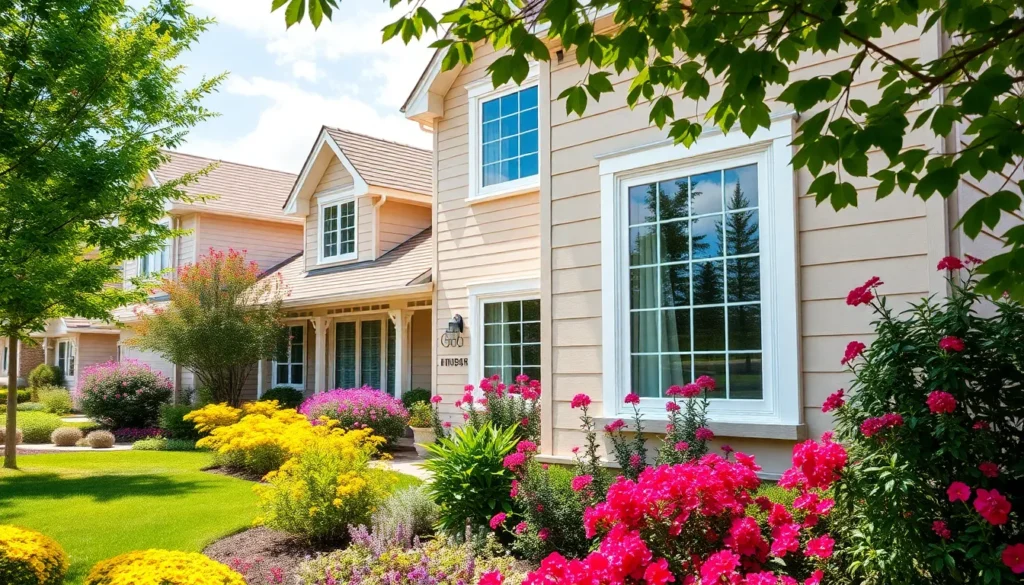
Curb appeal projects also matter. Landscaping improvements frequently raise the property’s attractiveness and can return up to 100% of expenditures. Painting the exterior or installing a new front door enhances first impressions, contributing positively to overall value.
Smart home technology is gaining traction as a valuable investment. Installing smart thermostats and security systems attracts potential buyers and offers a solid return. These innovations reflect modern living preferences.
Basement finishing and attic conversions provide additional living space. While these renovations can require significant upfront costs, they yield returns between 70% and 90% if done correctly. Understanding local market demands may influence the ROI from these projects.
Finally, focusing on essential repairs ensures the property remains appealing and functional. Addressing structural issues, plumbing, and electrical systems may prevent more extensive costs later. Many homebuyers prioritize properties in good repair, enhancing marketability.
Prioritizing home improvements based on data-driven insights ensures that investments yield satisfying returns, ultimately leading to more fulfilling ownership experiences.
Key Factors Influencing Return on Investment
Home improvements often depend on several key factors that determine their return on investment. Understanding these elements assists homeowners in making informed decisions.
Location and Market Trends
Location significantly impacts property value. Homes in urban areas or desirable neighborhoods typically experience higher demand and better returns. Market trends also play a role; favorable economic conditions can enhance ROI. For example, during real estate booms, upgrades to kitchens or bathrooms may return as much as 80% of the initial investment. Conversely, market downturns can diminish returns. Homeowners should assess local trends and buyer preferences before undertaking improvements, tailoring projects that align with community demand.
Quality of Materials Used
The quality of materials directly affects durability and appeal. High-quality materials often lead to longer-lasting improvements, which attract potential buyers. Using premium fixtures or sustainable materials can enhance overall value. For instance, energy-efficient windows not only save on utilities but may also boost ROI to 70% or more. Homeowners must weigh the cost of superior materials against potential returns. Investing in high-quality elements ensures that upgrades look appealing and provide greater long-term value.
Popular Home Improvements That Pay Off
Certain home improvements significantly increase property value, making them valuable investments. Focusing on quality and data-driven insights ensures homeowners achieve satisfying returns.
Kitchen Renovations
Kitchen renovations offer one of the highest returns on investment. Statistically, these projects reclaim about 80% of initial expenditures. Upgrading appliances, cabinetry, and countertops enhances functionality and aesthetics. Open floor plans also appeal to modern buyers, increasing overall marketability. Prioritizing energy-efficient appliances can attract environmentally conscious buyers and reduce utility bills. Installing a fresh backsplash or new flooring elevates the space, making it more inviting. Homeowners often find that minor updates in kitchens yield substantial value without necessitating a full remodel.
Bathroom Upgrades
Bathroom upgrades also rank among the top improvements for ROI, returning approximately 60% to 70% of costs. Essential renovations include replacing fixtures, upgrading vanities, and retiling. Features like double sinks or modern showers improve both functionality and appeal. Investing in better lighting can brighten the space, creating a more inviting atmosphere. Luxury additions, such as heated floors or rainfall showerheads, attract discerning buyers. Even small updates, like new faucets or fresh paint, can make a significant impact on perceived value.
Energy Efficiency Enhancements
Energy efficiency enhancements not only save on utility costs but also appeal to a growing market of eco-conscious buyers. Installing energy-efficient windows can return over 70% of the investment. Additionally, upgrading insulation boosts home performance while reducing heating and cooling expenses. Smart thermostats and energy-efficient HVAC systems further enhance the home’s value. Homeowners often find that these upgrades pay off by improving comfort and reducing energy bills. Such improvements also contribute positively to the environment, making them an attractive option for today’s buyers.
Lesser-Known Improvements Worth Considering
Certain improvements, often overlooked, can enhance both property value and appeal. Homeowners should prioritize these options for optimal returns.
Landscaping and Curb Appeal
Landscaping projects significantly boost a home’s first impression. Fresh plantings, manicured lawns, and attractive pathways increase curb appeal effectively. Homeowners see returns reaching up to 100% on landscaping investments. Incorporating features like outdoor lighting or decorative stones enhances appeal further. Well-designed landscaping creates inviting outdoor spaces, attracting potential buyers. Regular maintenance ensures these elements remain appealing over time.
Smart Home Technology Installation
Smart home technology becomes increasingly sought after by buyers. Upgrades like smart thermostats, security cameras, and automated lighting offer both convenience and efficiency. These improvements often provide returns greater than 70%. Installing smart gadgets not only modernizes a home but also appeals to tech-savvy buyers. Smart home features improve energy efficiency and enhance property desirability. Keeping up with these technological advancements can lead to a competitive edge in the market.
Conclusion
Investing wisely in home improvements can significantly enhance property value and appeal. By focusing on high-ROI projects like kitchen and bathroom renovations energy-efficient upgrades and curb appeal enhancements homeowners can maximize their returns. Understanding market trends and choosing quality materials further amplifies the potential for financial gain.
With the growing interest in smart home technology and functional living spaces homeowners can attract buyers while enjoying the benefits of modern upgrades. Prioritizing essential repairs and strategic improvements not only elevates a home’s marketability but also enriches the living experience. Making informed decisions ensures that home improvements contribute positively to both financial and personal satisfaction.