

When daylight saving time rolls around, many people face a familiar foe: the dreaded uhrenunstellung. It’s that moment when clocks spring forward or fall back, and chaos ensues. Suddenly, your morning coffee feels like an Olympic event, and your schedule resembles a game of Twister. But fear not! Understanding this biannual ritual can save you from the confusion and keep you on time—sort of.
Uhrenunstellung isn’t just about moving the hands of a clock; it’s a quirky tradition that affects everything from work schedules to social plans. Embracing this time-twisting event can turn frustration into fun. So grab your favorite beverage, set your clocks, and let’s dive into the fascinating world of uhrenunstellung. Who knew a simple clock adjustment could lead to such a delightful mix of laughter and productivity?
What Is Uhrenunstellung?
Uhrenunstellung refers to the practice of adjusting clocks for daylight saving time. Daylight saving time occurs twice a year, typically in spring and fall. This adjustment aims to make better use of daylight by shifting an hour of sunlight from the morning to the evening.
Many people encounter confusion during the uhrenunstellung process. Altering the clocks can disrupt daily routines and throw off schedules. For example, an early sunrise might encourage outdoor activities, while a later sunset extends evening leisure time. These shifts impact various aspects of life, from work schedules to children’s bedtime routines.
In some regions, the change is met with enthusiasm. Communities often celebrate this transition, recognizing its potential for more evening activities. Social gatherings, events, and outdoor outings frequently increase as the days grow longer.
Conversely, others express frustration with the need to remember this biannual adjustment. Tech-savvy devices, such as smartphones and digital clocks, often update automatically. Manual adjustments of traditional clocks become less common, but still present challenges for many.
Uhrenunstellung embodies a blend of tradition and modernity. This practice serves as a reminder of the changing seasons and the natural rhythm of life. Embracing the fun aspects of adjusting clocks, such as family gatherings or celebrations, can help individuals adjust more easily. Engaging with this biannual transition allows for reflection on the passage of time and its significance.
Importance of Uhrenunstellung
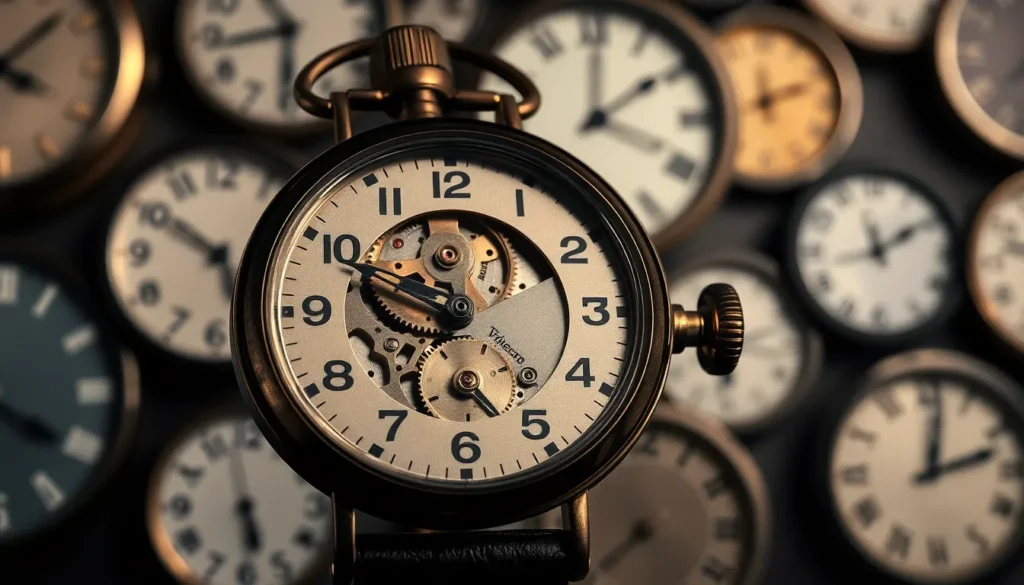
Uhrenunstellung plays a vital role in our daily lives, influencing time management, productivity, and social interactions. Understanding its significance enhances appreciation for both tradition and practical matters.
Accuracy in Timekeeping
Maintaining accurate time is crucial for various activities, including work, appointments, and transportation schedules. Clock adjustments during uhrenunstellung ensure synchronization across different regions and time zones. Failure to change clocks can lead to missed commitments or confusion regarding meeting times. Many rely on precise timekeeping for safety, especially in industries such as aviation and healthcare. Adjusting for daylight saving time promotes consistency in timekeeping devices, whether mechanical watches or digital clocks.
Functionality of Watches
Watches serve as more than mere time-telling devices; they also reflect personal style and status. During uhrenunstellung, functionality requires awareness of adjustments for different features, such as alarms, timers, and calendars. Some modern watches automatically update, which simplifies the transition for users. Older models may require manual changes, making familiarity with the device essential. Understanding the functionality of watches enhances their value beyond timekeeping, reinforcing their role in personal expression and daily organization.
Common Methods for Uhrenunstellung
Adjusting clocks during uhrenunstellung can occur through various methods, each catering to different preferences and technologies.
Manual Adjustments
Manual adjustments involve physically changing the clock settings. He or she must locate the adjustment mechanism on the timepiece, which often includes a dial or button. Turning the dial or pressing the button moves the time forward or backward, reflecting the daylight saving time shift. Not all timepieces require equal effort to adjust; digital clocks may have menu settings that take some time to navigate. Many users prefer this method for traditional watches, as it fosters a connection to the timepiece.
Technological Solutions
Technological solutions simplify the uhrenunstellung process. Smart devices typically adjust automatically, syncing with time servers. These gadgets include smartphones and smartwatches, making them convenient options for users who want a hassle-free transition. For instance, many digital assistants can announce the time change and update devices accordingly. Home automation systems also manage clocks, ensuring all connected devices reflect the new time without manual input. Relying on technology reduces the likelihood of errors, allowing seamless integration into daily routines.
Challenges in Uhrenunstellung
Adjusting clocks during uhrenunstellung presents various challenges that complicate the time transition. Users often experience confusion, resulting in missed appointments or late arrivals.
User Errors
User errors frequently occur during uhrenunstellung, primarily due to a misunderstanding of the time change process. Misreading the clock can lead to incorrect adjustments. Individuals may forget whether to advance or set back their clocks, causing further frustration. Clocks with complex interfaces increase the likelihood of mistakes, especially among older adults not familiar with modern devices. Additionally, many forget to check all devices, leading to inconsistent timekeeping throughout the household. As a result, reliance on a single digital device for time can eliminate some of these errors.
Mechanical Issues
Mechanical issues with clocks can significantly complicate the uhrenunstellung process. Some timepieces lack an automatic adjustment feature, forcing users to make manual changes. Fiddling with small buttons and knobs can cause frustration, especially if the instructions are unclear. Clock malfunction can also occur, resulting in inaccurate timekeeping. For older mechanical clocks, spring issues might prevent proper time setting. Additionally, users may overlook checking batteries in timepieces, which could lead to complete failure during time changes. These mechanical problems can hinder adherence to the new time established by uhrenunstellung.
Uhrenunstellung presents both challenges and opportunities in daily life. While the clock adjustments can disrupt routines and lead to confusion, they also provide a chance for communities to come together and enjoy longer evenings. Embracing this tradition can transform frustration into a celebration of time and its passage.
Understanding the importance of accurate timekeeping and the nuances of adjusting clocks fosters a deeper connection to both personal devices and the rhythm of life. Whether opting for manual adjustments or leveraging technology, being mindful of uhrenunstellung can enhance time management and social interactions. Ultimately, it’s about finding joy in the transition and appreciating the moments that daylight saving time brings.