
Walking into an art gallery can feel like stepping into a world where creativity knows no bounds. But have you ever wondered how those stunning paintings end up perfectly hung on the walls? It’s not just a game of chance or a whimsical toss of a hammer and nail. There’s a method to the madness that transforms blank walls into visual feasts.
From choosing the right height to considering the flow of the space, galleries employ clever strategies to showcase each piece. They’re like skilled matchmakers, pairing art with the perfect backdrop for maximum impact. Get ready to dive into the fascinating world of gallery hanging techniques, where aesthetics meet precision, and every artwork gets its moment to shine.
Overview of Arcahexchibto
Arcahexchibto represents a sophisticated approach to art curation and display. This strategy involves a series of innovative techniques designed to enhance the viewer’s experience while engaging with artworks. Curators at Arcahexchibto study each piece meticulously, ensuring that the selected art resonates with the overall theme of the exhibit.
The height at which paintings are hung plays a crucial role in presenting art effectively. Every artwork finds its ideal placement through a careful analysis of viewer sight lines and the scale of surrounding pieces. Artworks are often centered at eye level, which standardizes visibility and appreciation for most viewers.
Lighting also significantly influences how artworks are perceived. Different light intensities and colors can shift the emotional context of a piece. Curators strategically position lighting to highlight specific features, further enhancing the intended message of each artwork.
Flow and spacing between artworks create a narrative rhythm within the gallery. Ample space allows viewers to step back and appreciate art from a distance. Conversely, tighter spacing can evoke intimacy, encouraging closer inspection. Each decision about spacing is made with the visitor’s journey in mind.
Engagement strategies, such as interactive displays or information plaques, elevate the overall experience. These elements provide essential background information, enriching viewers’ understanding of the art form and its context. Incorporating educational materials invites deeper exploration of the artists’ intentions and the art’s significance.
Overall, Arcahexchibto encompasses a blend of artistic vision and practical execution, ensuring art is presented at its best. Through innovative hanging techniques, curated aesthetics, and visitor-focused design, galleries achieve a unique balance that fosters appreciation for every piece.
Techniques Used by Galleries
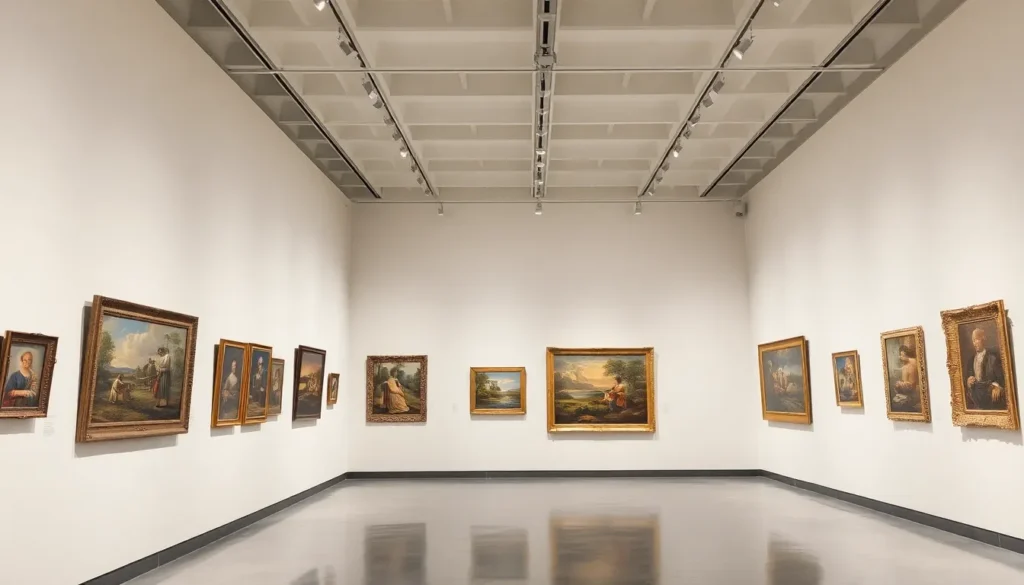
Galleries employ various techniques to ensure artworks are displayed effectively. Different methods enhance visual appeal and viewer engagement.
Traditional Methods
Curators often rely on traditional methods when hanging paintings. Using nails and picture hooks secures artworks to walls. Many galleries follow the classic rule of hanging pieces at eye level, typically around 57 to 60 inches from the floor. Painters align the artwork to create a cohesive flow, considering symmetry and spacing. Additionally, galleries utilize consistent framing styles to unify the presentation. Each piece is strategically placed to encourage exploration, allowing viewers to experience each artwork’s unique essence.
Modern Approaches
Modern approaches to hanging paintings incorporate innovative techniques. Many galleries now use adjustable hanging systems, allowing for easy rearrangement of artworks. Curators emphasize lighting to enhance colors and textures, utilizing spotlights or track lighting to direct focus. Art placement often considers visitors’ paths, creating dynamic layouts that guide engagement. Some galleries implement digital displays that interact with the physical pieces, adding layers of information and context. By integrating technology with traditional display methods, galleries create immersive experiences that resonate with contemporary audiences.
Importance of Placement
Placement of artwork in galleries plays a crucial role in the overall experience of viewers. Strategic positioning ensures that each piece captures attention while complementing surrounding works.
Visual Impact
Visual impact stems from careful arrangement of art pieces. Artworks hung at eye level tend to engage viewers more effectively, promoting interaction. Balanced spacing between pieces fosters movement and exploration, encouraging visitors to appreciate each work’s individuality. Cohesive color palettes also contribute, creating a harmonious viewing experience that draws eyes across the exhibit. Curators often select complementary themes to enhance the narrative resonance among artworks, elevating their collective impact.
Lighting Considerations
Lighting significantly influences how viewers perceive artwork. Proper illumination highlights textures and colors, ensuring that each piece displays its intended vibrancy. Natural light can enhance certain works, while spotlights emphasize focal points. Curators consider direction and intensity of light, as they can evoke emotional responses and guide viewer attention. Additionally, minimizing glare prevents distractions, allowing for an uninterrupted appreciation of the art. A well-lit exhibit enhances aesthetic values, keeping audiences engaged and informed.
Tools and Equipment
Art galleries use specific tools and equipment tailored for effective artwork display. These components play crucial roles in ensuring pieces are hung securely and visually appealing.
Hanging Systems
Galleries utilize various hanging systems to adapt to different artworks and spaces. Traditional options like nails and picture hooks serve to secure pieces at optimal heights. Adjustable hanging systems provide flexibility, allowing for easy rearrangement to refresh exhibits. Some galleries integrate rail systems that enable quick installation and repositioning. These fixtures cater to both heavy and lightweight artworks, ensuring stability and safety. Each system is chosen based on the exhibit’s requirements, maximizing visual impact and viewer engagement.
Safety Measures
Safety measures are paramount when hanging artwork in galleries. Proper anchoring techniques prevent accidents during install or throughout the display duration. Clear guidelines on weight limits for each hanging system help maintain structural integrity. Padding on hardware can minimize damage to artworks while ensuring secure placements. Additionally, galleries conduct regular inspections on hanging arrays to prevent wear. Staff members are trained to follow safety protocols diligently to ensure every piece remains securely displayed. Prioritizing safety establishes a secure environment for both art and viewers.
Conclusion
The art of hanging paintings in galleries is a harmonious blend of science and creativity. By employing techniques like Arcahexchibto curators elevate the viewer’s experience while ensuring that each piece resonates within its context. The careful attention to height spacing and lighting transforms each exhibition into a captivating journey.
As galleries continue to evolve with modern methods and technologies they enhance interaction and engagement. This dynamic approach not only showcases the artwork effectively but also deepens the viewer’s appreciation. Ultimately the meticulous strategies behind hanging paintings reflect a commitment to presenting art in its best light, inviting audiences to explore and connect with each piece on a profound level.