

Expiration dates can feel like a ticking time bomb in the kitchen. One day, that carton of milk seems fine, and the next, it’s a science experiment gone rogue. But what if there’s a silver lining? Many foods can still be perfectly safe and tasty long after their expiration dates.
Understanding Expiration Dates
Expiration dates indicate the period during which food products remain at their best quality. Understanding these dates can alleviate kitchen anxiety and help consumers make informed choices.
What Do Expiration Dates Mean?
Expiration dates signify the freshness and safety of food products. They help consumers identify when items may begin to deteriorate in quality. Various categories exist, including “sell by,” “best by,” and “use by.” Each label provides guidance on different aspects of a product’s quality. For instance, “sell by” directs retailers on when to remove stock, while “best by” emphasizes optimal taste rather than safety. It’s important to note that expired foods may not be unsafe but might lose flavor or texture.
Types of Expiration Dates
Expiration dates fall into several distinct categories. “Sell by” dates focus on inventory turnover for retailers. “Best by” dates recommend optimal flavor and quality but aren’t indicators of safety. “Use by” dates mark the last day a product remains at peak quality. Understanding these terms can influence food storage and consumption decisions. Additionally, manufacturers may include “packaging dates” to inform consumers about freshness right from production. Recognizing each type helps in better understanding food longevity and safety.
Foods That Stay Good After Expiration
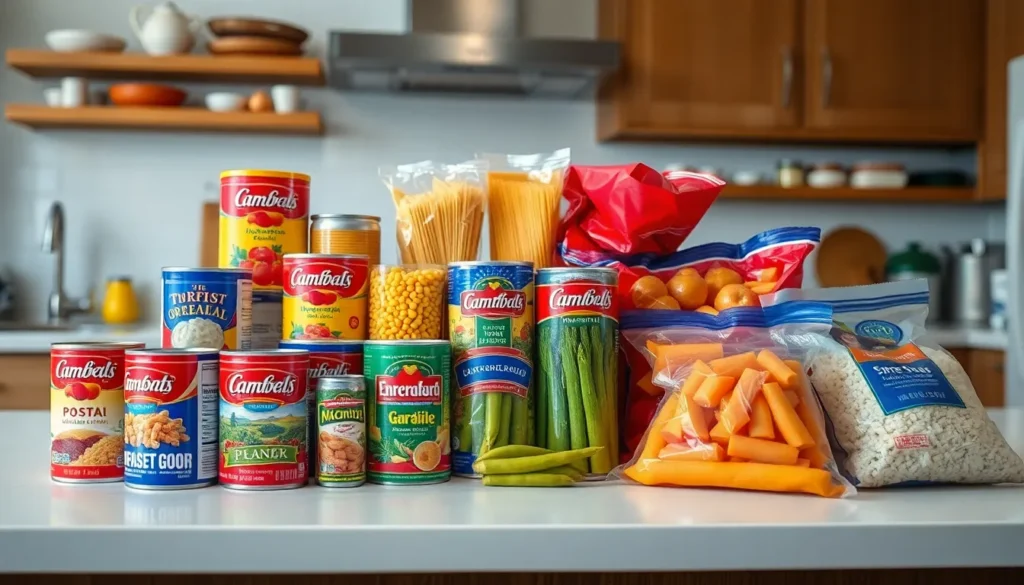
Many foods remain safe for consumption well past their expiration dates. Understanding which products can still be enjoyed helps reduce waste and alleviate concerns about food safety.
Canned Goods
Canned goods often remain good for years after the expiration date. Most products maintain their taste and nutritional value long after that date if stored properly. For instance, canned vegetables, soups, and beans can last anywhere from two to five years beyond their marked date. Inspecting cans for rust, dents, or leaks ensures safety before consumption. The acidity of the food influences its shelf life, with high-acid foods like tomatoes generally lasting less time than low-acid foods like corn.
Dry Pasta
Dry pasta can last well beyond its expiration date, typically remaining good for two years or more. Proper storage in a cool, dry place helps maintain its quality. Users should check for off smells or signs of pest infestation before using. The texture may change slightly over time, but this doesn’t necessarily indicate spoilage. Cooking pasta that has outlasted its expiration date usually results in an acceptable taste and texture.
Rice
Uncooked white rice can be edible for decades, even beyond its expiration mark. Brown rice has a shorter shelf life due to its oil content, usually lasting around six months after its date. When stored in airtight containers, rice remains protected from moisture and insects. Before cooking, users should assess the rice for any unusual smells or colors. Cooking rice that has expired generally yields satisfactory results as long as it hasn’t been contaminated.
Frozen Foods
Frozen foods, including vegetables and meats, can stay good for extended periods. Most frozen items maintain quality for three to six months past their expiration dates. The freezing process halts bacterial growth, allowing safe consumption of expired frozen products. To ensure quality, users should wrap food tightly to prevent freezer burn. Thawing and cooking frozen items that have surpassed their expiration date often results in acceptable flavor and texture.
Safety Considerations
Ensuring food safety often involves careful evaluation and proper inspection techniques. Following simple steps can prevent consuming spoiled items and maintain health.
How to Inspect Food
Consider first the appearance of the food. Freshness can often be determined by color and texture. Smelling the product provides additional insight; off-odors indicate possible spoilage. Check the packaging for any damage or swelling, especially in canned goods. Dates on labels should guide choices, but a taste test can help assess quality when in doubt. Observe visible signs like mold or separation in products like yogurt or juices. Using these methods promotes a better understanding of food safety.
Signs of Spoilage
Identifying spoilage involves recognizing several telltale signs. Mold growth appears as fuzzy patches and indicates a product should not be consumed. Discoloration on fruits and vegetables often suggests deterioration. Soft spots, particularly in produce, can signify that the item has passed its prime. An off-smell usually accompanies spoiled dairy products and meats; these should be discarded immediately. Gas production or bubbling in non-carbonated items can signal fermentation. Staying vigilant and aware ensures safer consumption.
Benefits of Eating Expired Foods
Extended consumption of expired foods offers several key advantages.
Reducing Food Waste
Reducing food waste significantly impacts the environment. Many foods remain good long after their expiration dates, contributing to less waste. By consuming these items, individuals contribute positively to sustainability efforts. For example, it’s common for canned goods and dried pasta to still be edible long after their labels suggest otherwise. Making informed choices regarding food expiration helps families waste less and utilize stored food efficiently. Additionally, this practice encourages mindful shopping, leading to more responsible consumption habits.
Saving Money
Saving money becomes achievable by eating expired foods. Foods can often be bought in bulk and consumed later without concern about waste. Many pantry staples, like rice and beans, can last well past their expiration dates, offering significant savings when utilized. This approach not only reduces grocery bills but also maximizes the value of food investments. With careful inspection, purchasing bulk items or discounted products near their expiration dates turns into a cost-effective strategy. Approaching expired foods as valid options fosters a frugal lifestyle while ensuring that nutritious meals remain accessible.
Tips for Maximizing Food Shelf Life
Maximizing food shelf life requires effective strategies and practices. Following these tips can help ensure the safety and quality of food products.
Proper Storage Techniques
Storing food correctly plays a crucial role in extending its shelf life. Use airtight containers to keep moisture and pests away from dry goods. Refrigeration helps maintain the freshness of perishable items like dairy and meats, while freezing locks in quality for long-term storage. Keep canned goods in a cool, dark place to minimize degradation. Organizing the pantry and refrigerator helps prevent spoilage, ensuring older items are used first. Regularly checking the temperature settings of refrigerators can also contribute to optimal food preservation.
Labeling and Organization
Proper labeling aids in tracking expiration dates and storage times. Date all opened food items to ensure they’re used before they spoil. Organizing the pantry or fridge by categories helps in locating items quickly, reducing food waste. Place frequently used items at eye level for quick access. Group similar items together, such as grains or canned products, making it easier to plan meals efficiently. Consider a first-in, first-out approach to ensure older items get consumed first. These practices encourage mindful consumption and help maximize the lifespan of food products.
Conclusion
Understanding expiration dates can transform how individuals approach food in their kitchens. By recognizing that many items remain safe and enjoyable beyond these dates, consumers can reduce waste and save money. This knowledge not only promotes sustainability but also encourages a more mindful approach to food consumption.
Proper storage and careful inspection of foods can further ensure safety and quality, allowing individuals to make informed choices. Embracing the potential of expired foods can lead to a frugal lifestyle while still enjoying nutritious meals. With these insights, individuals can navigate their pantries with confidence and ease.