
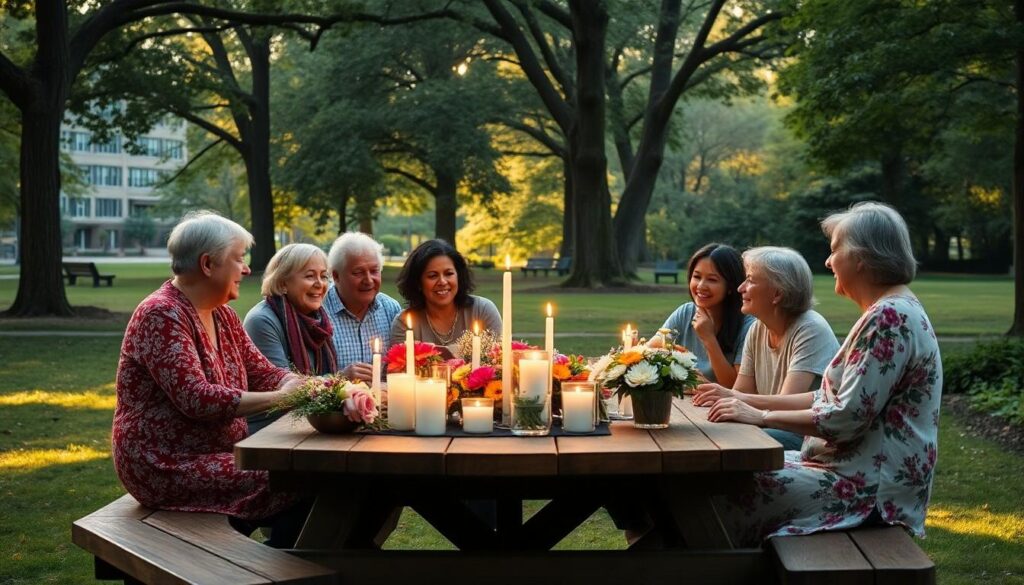
Death anniversaries might sound like a morbid topic, but they’re actually a unique blend of reflection and celebration. Picture this: a day set aside not just to mourn but to remember the quirks, laughter, and unforgettable moments of those who’ve passed. It’s like a yearly family reunion, minus the awkward small talk and with a side of nostalgia.
These anniversaries offer a chance to honor legacies and share stories that keep memories alive. They remind us that life’s too short to take too seriously, even when it’s about saying goodbye. So why not embrace the humor and heart in remembering those who’ve shuffled off this mortal coil? After all, it’s not just about the tears; it’s about the smiles that come from remembering the good times.
Understanding Death Anniversaries
Death anniversaries serve as poignant reminders to celebrate the lives of those who have passed. These days evoke reflection and an opportunity to honor cherished memories.
Definition and Significance
Death anniversaries mark the annual remembrance of individuals who have died. They hold deep significance, providing space for loved ones to connect with both sorrow and joy. Observing such days enables friends and family to express their grief while celebrating meaningful moments shared with the deceased. It transforms a day of loss into one that highlights their legacy, encouraging storytelling and the sharing of fond memories.
Cultural Perspectives
Cultural beliefs influence how death anniversaries are observed worldwide. Various traditions bring unique rituals, reflecting differing views on life and death. In some cultures, such as Mexican observances of Día de los Muertos, families create altars to honor their loved ones. This celebration includes vibrant decorations and offerings that bring the deceased’s spirit back for a day. In contrast, other cultures may approach these anniversaries with solemnity, emphasizing meditation and reflection. Regardless of the customs, these observances consistently serve love and remembrance, encapsulating the enduring bond between the living and the deceased.
Observing Death Anniversaries
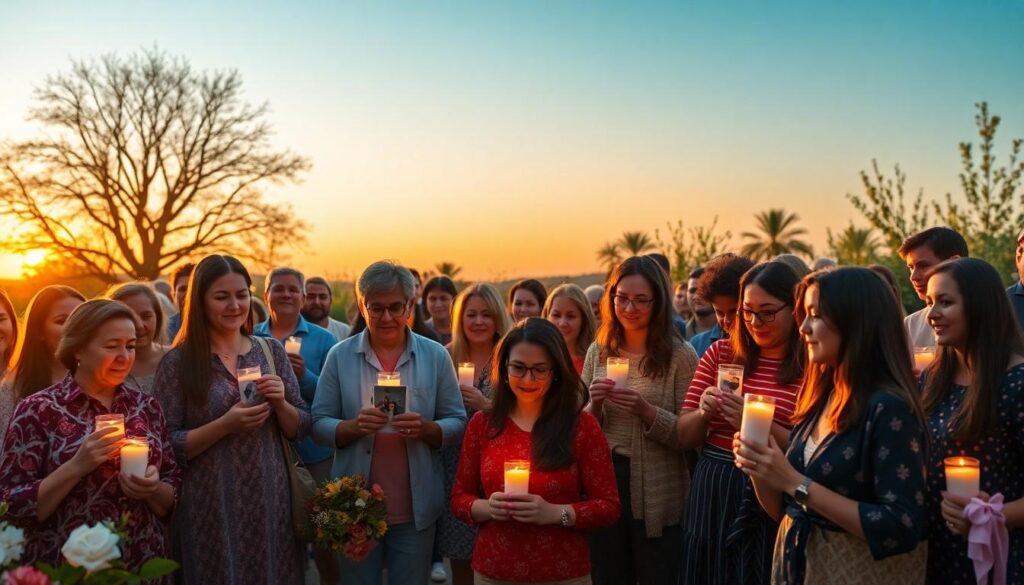
Observing death anniversaries allows individuals to honor and remember their loved ones while embracing both sorrow and joy.
Common Practices Around the World
Many cultures hold unique traditions for death anniversaries. In Mexico, families celebrate Día de los Muertos with colorful altars and offerings of food, showcasing a joyful remembrance of the deceased. In Japan, the Obon festival involves lighting lanterns to guide spirits home, emphasizing connection and respect. Hindu customs include Tarpan rituals, where family members offer water to ancestors, symbolizing gratitude and love. African traditions often reflect community gatherings, incorporating music and dance to celebrate the lives of those who have passed away. Each observance uniquely reflects cultural values, fostering a sense of unity and remembrance among loved ones.
Personal Reflections and Remembrances
Individuals often use death anniversaries as moments to reflect on personal memories. Writing letters to the deceased offers a poignant way to express feelings and share life updates. Creating photo albums or memory boxes preserves joyful memories and fosters connection with the past. Family gatherings present opportunities to share stories and laughter, keeping the spirit of the loved one alive. Engaging in acts of kindness or charitable donations can honor the legacy of the deceased while promoting positivity. Personal reflections during these anniversaries nurture an ongoing bond with those who have passed, highlighting love and remembrance over sorrow.
The Psychological Impact of Death Anniversaries
Death anniversaries evoke strong emotions, blending grief and fond memories. These moments trigger reflection on the loved one’s life, amplifying both pain and joy.
Dealing with Grief and Loss
Grief often surfaces prominently during death anniversaries. Individuals may experience sadness as they remember what was lost. Common emotions include nostalgia, as happy memories arise alongside sorrow. Each person’s journey through loss is unique, influenced by factors like relationship closeness and personal coping abilities. Grieving can be complicated by the need for social support or solitude. Shared experiences with family and friends foster understanding and connection, creating a sense of community around shared loss. Recognizing these feelings of grief helps individuals navigate their emotions during this significant time.
Coping Mechanisms
Various coping mechanisms serve to ease the emotional burden during death anniversaries. Engaging in rituals provides structure and meaning. Activities such as creating memory boxes, lighting candles, or visiting gravesites allow individuals to honor their loved ones. Sharing stories during gatherings facilitates connection, offering a space for collective remembrance. Writing in journals or letters helps articulate feelings, serving as a therapeutic outlet. Other avenues, like participating in charitable donations in the deceased’s name, reinforce memories while promoting positivity. Utilizing these coping strategies aids individuals in processing emotions, balancing sorrow with celebration of life.
Celebrating the Lives of Loved Ones
Death anniversaries serve as powerful moments to honor and cherish the memories of those who’ve passed. These occasions encourage deep reflection and joy, creating a blend of remembrance and celebration.
Ideas for Commemoration
Gathering family and friends provides a communal space to share stories and laughter. Crafting a memory jar allows individuals to write down their favorite memories, fostering an ongoing connection. Lighting candles symbolizes warmth and remembrance, illuminating the way for the loved one’s spirit. Creating a personalized scrapbook or photo album showcases meaningful moments and life milestones. Each gesture offers a unique way to reflect on gratitude, turning sorrow into a celebration of life.
Creating Meaningful Rituals
Rituals create a sense of continuity and connection with the deceased. Cooking a favorite meal of the loved one fosters memories centered around shared experiences. Organizing a charity event or participating in community service reflects the values and passions of the deceased. Planting a tree or flower in their memory brings life and growth into the commemorative space. Engaging in these activities solidifies personal connections, ensuring that their legacy continues to thrive through meaningful traditions.
Death anniversaries serve as powerful reminders of love and connection. They provide a unique opportunity to celebrate the lives of those who have passed while honoring their legacies. By embracing both joy and sorrow, individuals can transform these days into meaningful observances that foster community and reflection.
Engaging in personal rituals or sharing stories with family and friends creates lasting bonds and preserves cherished memories. Whether through cultural traditions or personal gestures, the way people choose to commemorate these anniversaries highlights the enduring impact of their loved ones. Ultimately, death anniversaries allow for a beautiful blend of remembrance and celebration, ensuring that the spirit of those lost continues to thrive in the hearts of those who remain.