

Cooking can feel like a high-stakes game of “Guess Who?” when faced with a recipe. One minute you’re excited to whip up a culinary masterpiece, and the next, you’re staring at a list of ingredients like it’s a foreign language. Fear not! Reading a cooking recipe doesn’t have to be as confusing as assembling IKEA furniture without the instructions.
Understanding the Basics of Cooking Recipes
Cooking recipes serve as guides that detail necessary ingredients and steps for creating dishes. They help streamline the cooking process and ensure consistent results.
Components of a Recipe
Each recipe comprises essential components. Ingredients list necessary items along with their measurements. Instructions provide step-by-step guidance for preparation and cooking. Cooking times indicate how long to cook each component to achieve desired results. Additionally, serving sizes reflect the amount of food produced. Familiarity with these elements enhances the understanding of any recipe.
Importance of Recipe Structure
Recipe structure plays a vital role in cooking success. A clear layout leads to fewer mistakes in preparation. Proper sequencing of steps ensures that ingredients are added at the right time. When cooked in the correct order, flavors meld effectively and cooking times align properly. To avoid confusion, a well-structured recipe minimizes misinterpretations and saves time in the kitchen.
Decoding Ingredients
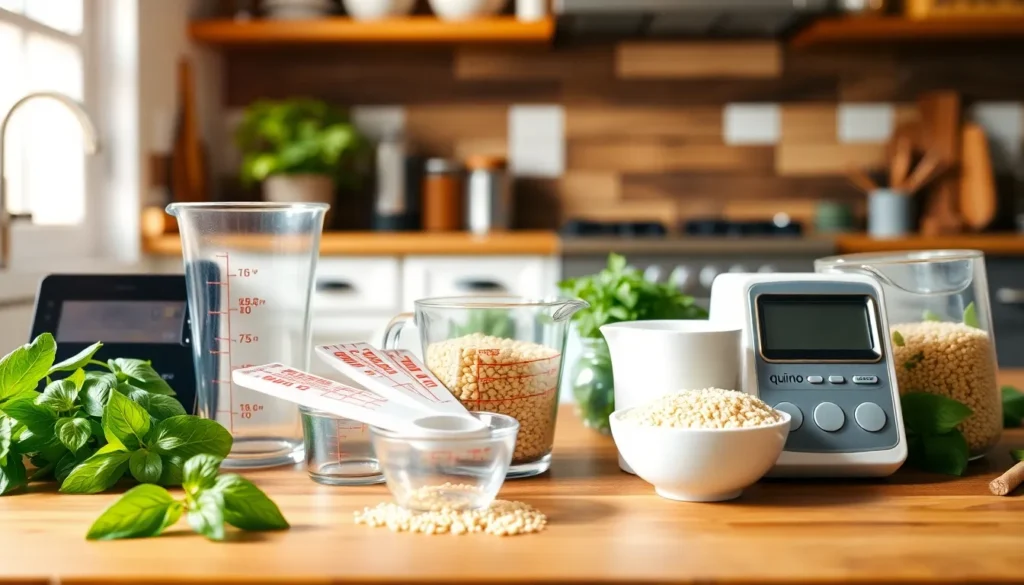
Understanding ingredient terminology simplifies the cooking experience. Familiarizing oneself with common cooking terms enhances clarity when following recipes.
Identifying Common Terms
Ingredients can have specific names that vary by region or cuisine. Knowing terms like “quinoa” or “basil” ensures clarity. Remember that “chopped” means cutting into small pieces, while “diced” refers to smaller, uniform cubes. Look for terms like “sauté,” indicating cooking in a small amount of fat, and “blanch,” which means briefly boiling and then cooling food. Recognizing these terms leads to more successful cooking and reduces confusion.
Measuring Ingredients Accurately
Precision in measuring ingredients impacts the overall quality of dishes. Using standard measurement tools like cups and tablespoons ensures consistency. Liquid ingredients require appropriate measuring cups for accuracy, while dry ingredients benefit from leveled-off measuring tools. It’s beneficial to know that different ingredients may require specific considerations; for instance, it’s essential to spoon flour into a measuring cup rather than scooping directly to avoid packing. Mastering measurement techniques results in better control over flavors and textures.
Following Cooking Instructions
Following cooking instructions ensures successful dish preparation. Cookbooks and online recipes provide step-by-step guidance to simplify the cooking process.
Step-by-Step Guidance
Careful attention to each instruction promotes consistency and quality. Recipes outline actions in the order needed for best results. Ingredient preparation precedes cooking methods, ensuring everything is ready at the right time. This structure helps avoid confusion, making it easier to achieve the desired outcome. Each step usually specifies techniques such as baking or frying, so familiarity with these methods enhances performance in the kitchen. Reading and comprehending these directions safeguards against missteps that might lead to undesirable flavors or textures.
Timing and Temperature Considerations
Cooking times and temperature settings are critical components of a recipe. Accurate timing guarantees that foods cook properly without burning or undercooking. Each recipe lists specific times for various stages, allowing for proper sequencing. Oven temperatures must align with the recipe’s requirements to ensure even cooking. Monitoring these factors can significantly impact the final dish. Overcooking results in dry textures, while undercooking can lead to safety risks. Therefore, prioritizing these considerations culminates in perfectly cooked meals and satisfied diners.
Tips for Successful Recipe Interpretation
Reading and interpreting recipes can enhance the cooking experience. Applying specific strategies fosters confidence in the kitchen.
Adjusting for Personal Preferences
Adjustments cater to individual tastes. If someone dislikes certain flavors, they can modify the recipe to include preferred ingredients. Individuals might reduce spice levels for milder dishes or substitute sweeteners to fit dietary needs. Experimenting with ingredient ratios often leads to exciting new flavors. Keeping track of modifications helps refine recipes for future use. Making these alterations creates a personalized dining experience, showcasing culinary creativity.
Substitutions and Variations
Substitutions unlock culinary flexibility. When a recipe calls for an ingredient that isn’t available, alternatives can maintain the dish’s integrity. Common replacements, such as Greek yogurt for sour cream or chicken broth for water, can yield similar results. Fresh herbs might replace dried ones to brighten flavors. Variations also introduce seasonal ingredients, highlighting local produce and maintaining freshness. Documenting successful swaps encourages experimentation and improves confidence in cooking skills over time.
Conclusion
Mastering the art of reading cooking recipes opens up a world of culinary possibilities. With the right approach and a bit of practice, anyone can transform their kitchen experience from daunting to delightful. Understanding the structure of a recipe and familiarizing oneself with common cooking terms can make a significant difference.
Embracing the flexibility of recipes allows for personal touches and creative experimentation. By making adjustments and substitutions, cooks can tailor dishes to their preferences while building confidence in their skills.
Ultimately, the key lies in enjoying the process and savoring the journey of cooking. With each recipe, there’s an opportunity to learn and grow, turning every meal into a chance for culinary exploration.